DepLog Review - Smart Dependency Monitoring with Risk Scoring
Welcome to our DepLog review! Let's explore this intelligent dependency monitoring solution.
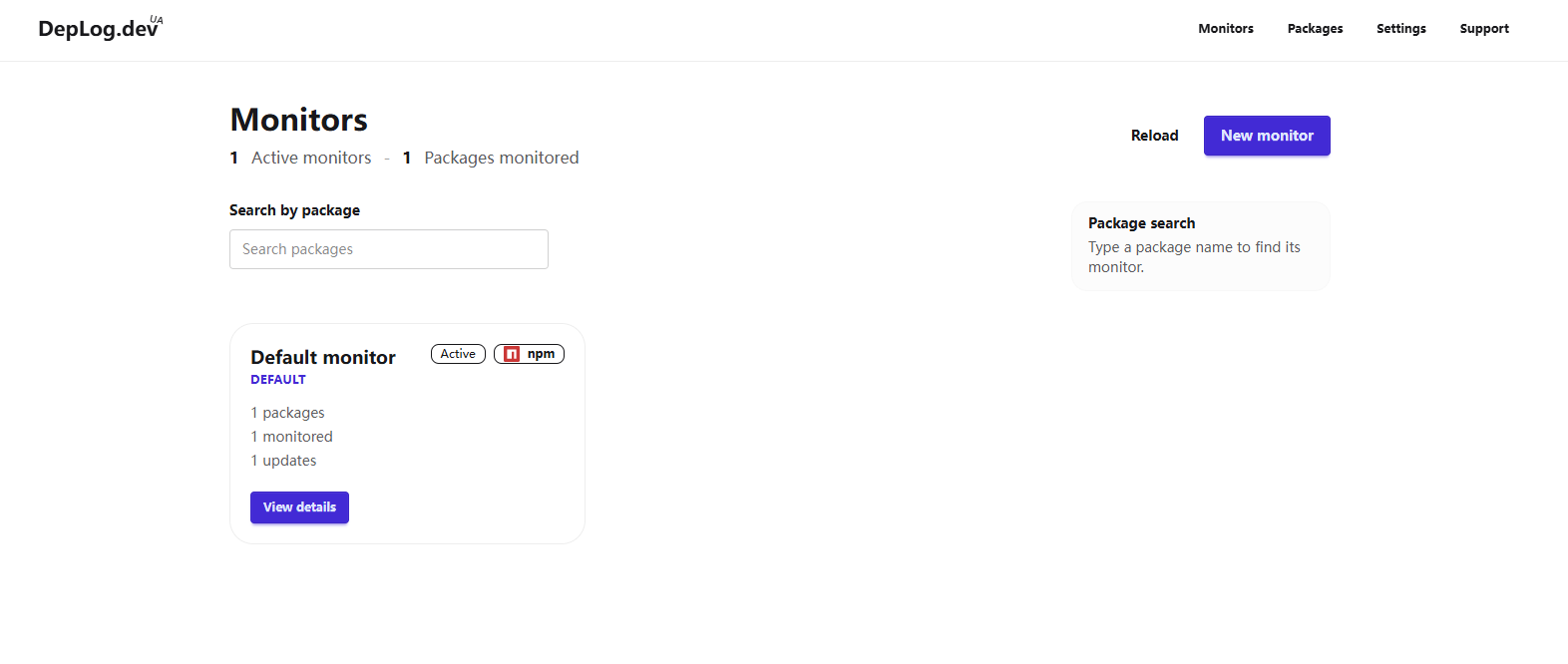
Engineering teams know the frustration of dependency updates that break production code. Traditional tools like Dependabot and Renovate focus on automation—creating pull requests for updates—but they leave critical decision-making to you.
What's the real risk of this update? Will it introduce breaking changes? Is it worth your team's time to review right now?
DepLog changes this paradigm. This dependency monitoring tool watches releases across package managers, spots risky updates, provides changelog context with risk scores, and automatically alerts your team via email, Slack, Teams, and webhooks.
The result? Faster decisions and fewer surprises from dependency updates.
What sets DepLog apart is its focus on dependency risk scoring and impact analysis—giving you the context you need to make smart update decisions rather than overwhelming you with automated PRs. Unlike traditional dependency tools, DepLog helps you detect breaking changes early and avoid risky updates before they disrupt your production environment.
With a free forever tier for 5 packages and flexible pricing that scales with your needs, DepLog makes professional dependency monitoring accessible to teams of all sizes. This isn't just another dependency updater—it's a smarter way to monitor, assess, and manage dependency updates.
In this review, we'll explore how DepLog helps engineering teams keep production stable and reduce time spent reviewing dependency updates.
The Problem DepLog Solves
Traditional dependency management approaches have several critical limitations:
- Blind Update Automation: Most dependency tools focus on creating automated PRs without providing meaningful context about the actual risk or impact of updates
- Late Breaking Change Detection: Breaking changes often surface late in the review process—or worse, after deployment—when they should have been flagged earlier
- Time-Consuming Changelog Reviews: Teams spend hours manually reading through changelogs to understand what changed and assess the risk of each update
- Duplicate Package Noise: Multiple versions of the same package across projects create alert fatigue and make it difficult to stay organized
- Pre-Release Spam: Alpha, beta, and RC releases flood notification channels even when you're not ready to test them
- Production Stability Risks: Without proper risk assessment, dependency updates introduce unexpected bugs and breaking changes that impact users
DepLog addresses these pain points with intelligent monitoring—helping teams make informed decisions about when and what to update.
Why Choose DepLog?
- 🚀 0-100 Risk Scores: Every release gets scored from 0-100, helping you identify risky updates at a glance
- 📊 Changelog Context: Get key deltas and risk highlights so you can decide faster
- 🎯 Breaking Change Detection: Early identification of risky updates so you can plan fixes before they hit production
- ⚡ Multi-Channel Alerts: Email, Slack, Teams, and webhook notifications deliver updates where your team works
- 📈 Multi-Manager Support: Monitor npm, Python, Go, and other package managers from one dashboard
- 🆓 Free Forever Tier: Monitor 5 packages indefinitely without a credit card
- 🏢 Flexible Pricing: Blocks of packages with predictable pricing that scales with your needs
- 🎨 Duplicate Detection: Spot duplicate packages across your projects to consolidate and reduce noise
- 🔇 Pre-Release Control: Alpha, beta, and RC tags stay quiet until you opt in
- 💡 Impact Analysis: Understand the potential impact of dependency updates before merging them
Core Features Explained: The Heart of Our Review
Dependency Risk Scoring System
DepLog's risk scoring system is the foundation of its intelligent monitoring.
How Risk Scores Work
Every release receives a risk score ranging from 0 to 100:
- Risk Score 0: No risk keywords detected in the latest changelog—this update appears safe
- Risk Score 100: Strong signals of security vulnerabilities or breaking changes—review carefully before updating
- Intermediate Scores: Various risk levels that help you prioritize which updates need immediate attention
The risk score sits directly inside the changelog context, giving you both quantitative assessment and qualitative details you need to make smart decisions.
Why Risk Scoring Matters
Traditional dependency tools treat all updates equally, forcing your team to manually assess every changelog. DepLog's risk scoring:
- Prioritizes Your Attention: Focus on high-risk updates first; low-risk updates can wait
- Reduces Review Time: Skip safe updates and spend time where it actually matters
- Prevents Breaking Changes: Catch risky updates before they cause production issues
- Standardizes Assessment: Everyone on your team sees the same risk indicators, reducing inconsistent decisions
Ideal for: Engineering managers, tech leads, and senior developers who need to make informed decisions about dependency updates without spending hours reviewing every changelog.
Changelog Context and Impact Analysis
DepLog pulls key deltas from release changelogs and highlights risk so you can understand what changed and why it matters.
What You Get
Each alert includes:
- Summary of Changes: The key deltas from the latest release notes
- Risk Indicators: Highlighted keywords and phrases that signal potential issues
- Breaking Change Flags: Clear markers when breaking changes are present
- Security Alerts: Notifications when security vulnerabilities are disclosed
This dependency update impact analysis means you're not clicking through to GitHub or npm to hunt down changelogs—DepLog brings essential context directly to your alerts.
How This Saves Time
Without DepLog, your team's workflow looks like this:
- Receive notification of a new package version
- Click through to the package registry or GitHub
- Scroll through the full changelog looking for relevant changes
- Try to determine if breaking changes are present
- Decide whether to update, delay, or ignore
With DepLog:
- Receive alert with changelog summary and risk score
- Review the key deltas and risk highlights
- Make an informed decision immediately
This dependency monitoring approach cuts hours from your weekly dependency review process.
Smart Alert Delivery System
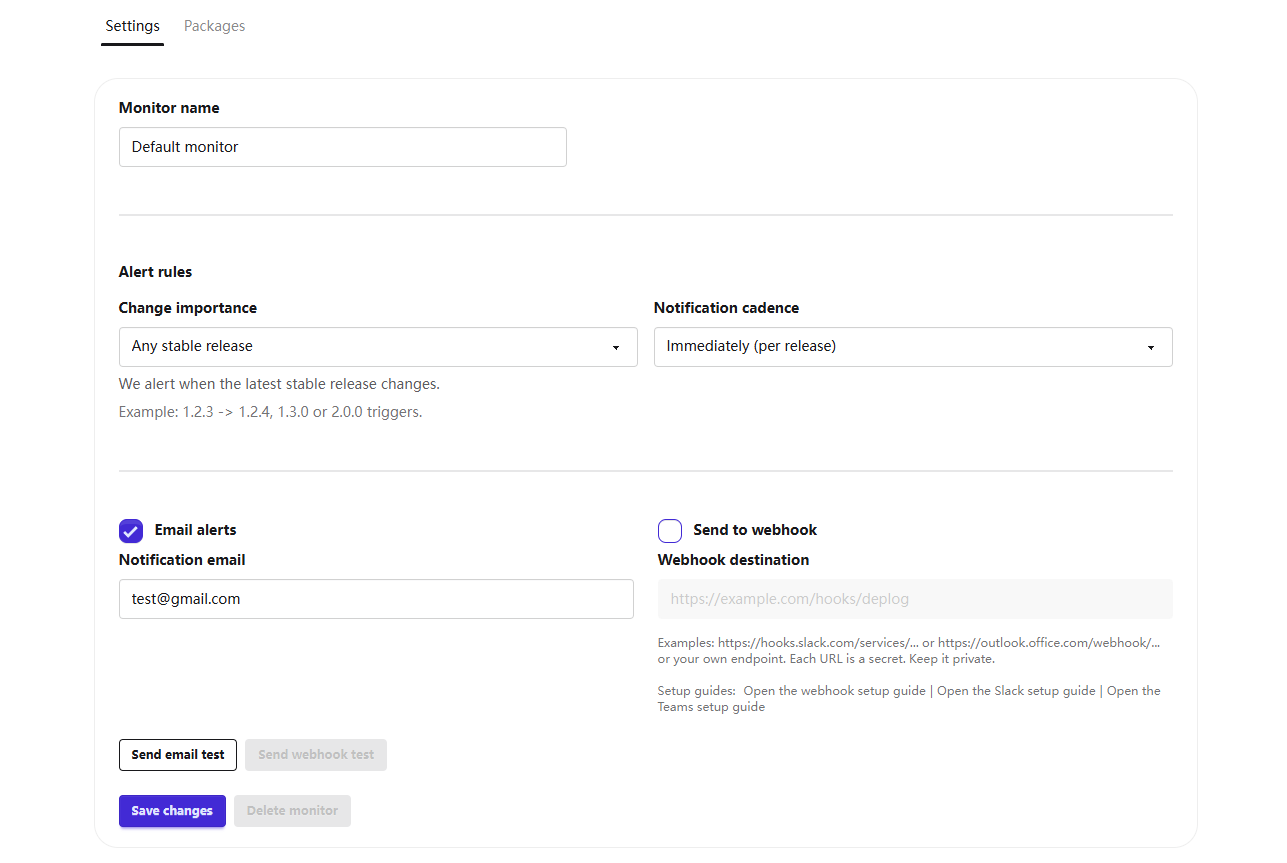
DepLog delivers dependency alerts through multiple channels to match your team's workflow.
Supported Alert Channels
- Email: Default notifications sent to the account owner, with per-monitor override options
- Slack: Real-time alerts delivered to channels where your team collaborates
- Microsoft Teams: Connect alerts for enterprise teams
- Custom Webhooks: Integrate with any system that accepts webhooks for maximum flexibility
Alert Configuration Options
DepLog lets you control what triggers alerts:
- Majors Only: Get notified only when major version changes occur
- Every Stable Release: Receive alerts for all stable updates
- Full Stream: Monitor every update for complete visibility
Pre-release tags like alpha, beta, and RC stay out of your alerts until you explicitly opt in—eliminating pre-release spam that clutters your notification channels.
Per-Monitor Customization
Different projects have different needs. DepLog allows you to:
- Override Alert Channels: Configure Slack for some projects, email for others
- Set Alert Frequency: Control how frequently you receive notifications
- Customize Thresholds: Adjust which releases trigger alerts based on your preferences
This flexibility means dependency alerts match your actual workflow, not a one-size-fits-all approach.
Multi-Package Manager Support
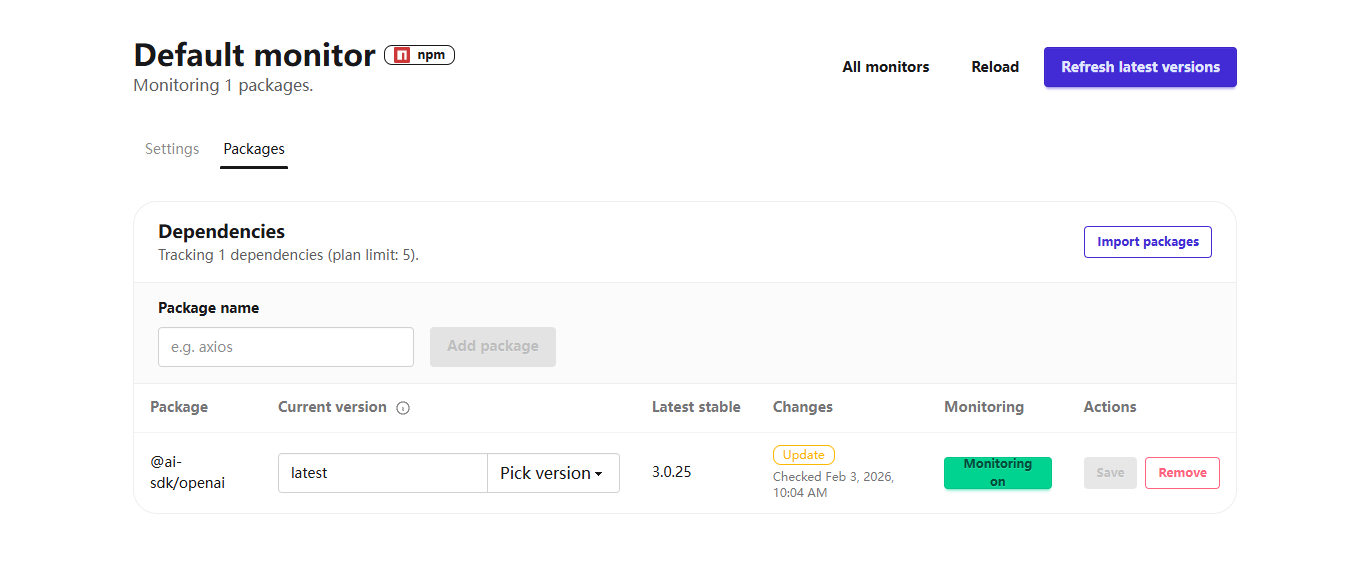
DepLog supports public package managers across web, backend, mobile, and tooling ecosystems.
Supported Ecosystems
Monitor updates across the ecosystems you ship on:
- JavaScript/npm: The world's largest package registry
- Python/PyPI: Essential for backend and data science projects
- Go Modules: Monitor Go package updates
- And More: View the full package manager list on DepLog.dev
Cross-Ecosystem Visibility
For teams using multiple programming languages and package managers, DepLog provides:
- Unified Dashboard: Monitor all your dependencies from a single interface
- Consistent Risk Scoring: Risk assessment works the same way across all package managers
- Consolidated Alerts: Receive notifications for updates across all your ecosystems
This comprehensive dependency monitoring means you don't need separate tools for each language or framework.
Duplicate Package Detection
Multiple versions of the same package across different projects create noise and complicate dependency management. DepLog spots duplicates so you can consolidate versions.
The Duplicate Problem
Without visibility into duplicates, teams face:
- Alert Fatigue: Same package, different versions trigger multiple alerts
- Inconsistent Versions: Different projects using different versions of the same package
- Maintenance Burden: Tracking and updating multiple versions manually
DepLog's Solution
DepLog identifies duplicates across your monitors, helping you:
- Consolidate Versions: Standardize on consistent versions across projects
- Reduce Alert Noise: Eliminate redundant notifications from duplicate packages
- Simplify Maintenance: Track dependencies more efficiently
This feature is particularly valuable for organizations with multiple services or monorepos using shared dependencies.
Pricing Plans: Flexible Options for Every Team
DepLog's pricing structure is designed to scale with your needs while keeping costs predictable.
Free Tier: 5 Packages Forever
Perfect for small projects and teams getting started:
- Price: Completely free, forever
- Credit Card: Not required
- Features Included:
- Monitor 5 packages indefinitely
- Changelog parsing with every monitor
- Email, Slack, Teams, and webhook alerts
- Risk scoring for all releases
- Duplicate package detection
- Pre-release filtering
Verdict: Excellent starting point for small teams and personal projects. The forever-free tier provides full access to core features without requiring a credit card, making it easy to try DepLog with zero risk.
Paid Tier: Flexible Blocks of Packages
For teams monitoring more than 5 packages:
- Price: Blocks of packages with predictable, usage-based pricing
- Billing: First invoice arrives 30 days after upgrading
- Features: Everything in Free Tier, plus:
- Scale up to monitor hundreds of packages
- Blocks auto-adjust as your monitor list changes
- Predictable pricing that scales with your needs
- All alert channels included
Usage Calculation: Every package entry across your monitors counts toward the block limit, duplicates included. Removing monitors credits the difference automatically.
Verdict: Highly competitive pricing for teams. The block-based approach means predictable costs that scale linearly with your needs, and the 30-day grace period before the first charge gives you time to evaluate the service. Visit DepLog.dev for detailed pricing information and current rates.
Easy Start Validation
Before committing to monitoring, DepLog offers free dependency file validation:
- Free Validation: Drop a dependency file for your manager or paste a list once per minute
- Instant Analysis: Get findings emailed to you without onboarding
- No Commitment: See what DepLog can detect before creating an account
This feature lets you understand your dependency landscape before committing to monitoring.
System Requirements and Compatibility
DepLog is a web-based service with minimal requirements:
- Account: Create an account at DepLog.dev to start monitoring
- Internet Connection: Required for monitoring and alerts
- Supported Package Managers: Public registries including npm, Python, Go, and others
- Alert Channels: Email (default), with optional Slack, Teams, and webhook integrations
- Browser Access: Modern web browser for dashboard access
As a cloud-based service, there's nothing to install or maintain—just sign up and start monitoring.
Installation and Setup
Getting started with DepLog is straightforward:
- Sign Up: Create your free account at DepLog.dev
- Add Packages: Paste a dependency file or enter package names manually
- Configure Alerts: Set your preferred alert channels and frequency
- Start Monitoring: Receive alerts with changelog context and risk scores
Quick Import Options
DepLog makes onboarding easy with multiple import methods:
- Paste Dependency File: Drop your package.json, requirements.txt, go.mod, or other manifest files
- Manual Entry: Type package names and let DepLog resolve versions from the registry
- Free Validation: Test dependency file validation once per minute before committing
The entire setup process takes minutes, and your first 5 packages are monitored forever without charge.
How DepLog Stands Out From Competitors
DepLog differentiates itself with a unique focus on risk assessment and intelligent monitoring rather than update automation.
Key Differentiators
- Dependency Risk Scoring: Unlike tools that treat all updates equally, DepLog provides 0-100 risk scores that help you prioritize high-risk updates
- Changelog Context in Alerts: Get key deltas and risk highlights directly in notifications—no clicking through to external sources
- Breaking Change Detection: Early identification of breaking changes so you can plan fixes before they impact production
- Focus on Decision Support: DepLog helps you make smart update decisions rather than overwhelming you with automated PRs
- Multi-Channel Alerts: Email, Slack, Teams, and webhooks ensure alerts reach your team where they work
- Pre-Release Control: Alpha, beta, and RC versions stay quiet until you opt in
- Duplicate Detection: Identify duplicate packages across projects to consolidate and reduce noise
- Free Forever Tier: Monitor 5 packages indefinitely without a credit card
Competitive Analysis
Traditional dependency management tools take different approaches to keeping your dependencies up to date.
| Feature | DepLog | Dependabot | Renovate |
|---|---|---|---|
| Risk Scoring | ✅ Yes | ❌ None | ❌ None |
| Changelog Context | ✅ In Alerts | ⚠️ PR Body Only | ⚠️ PR Body Only |
| Breaking Change Detection | ✅ Early Flags | ⚠️ Manual Review | ⚠️ Manual Review |
| Alert Channels | ✅ Multi-Channel | ⚠️ PR Only | ⚠️ PR Only |
| Automated PRs | ❌ Focus on Alerts | ✅ Yes | ✅ Yes |
| Pre-Release Filtering | ✅ Yes | ⚠️ Configurable | ⚠️ Configurable |
| Duplicate Detection | ✅ Yes | ❌ None | ❌ None |
| Impact Analysis | ✅ Yes | ❌ None | ❌ None |
| Free Tier | ✅ 5 Packages Forever | ✅ Unlimited PRs | ✅ Self-Hosted |
What Makes DepLog Unique
Risk-Based Prioritization: Instead of treating every update the same, DepLog's risk scoring helps you focus on updates that actually matter. Low-risk updates can wait; high-risk updates get your immediate attention.
Changelog Context Delivery: Dependabot and Renovate include changelog information in PR bodies, but you still have to click through to GitHub. DepLog delivers summaries and highlights directly in alerts—meeting your team where they already work.
Breaking Change Prevention: Traditional tools create PRs and leave it to you to discover breaking changes during code review. DepLog flags breaking changes early with clear risk indicators, helping you plan fixes before updates even reach your codebase.
Decision Support Over Automation: Dependabot and Renovate focus on automating the update process. DepLog focuses on helping you make smart decisions about which updates to merge, which to delay, and which to skip entirely.
Perfect For: Who Uses DepLog?
👔 Engineering Managers: Responsible for production stability and team productivity. DepLog helps you understand dependency risks at a glance and make informed decisions without reviewing every single update manually.
🔧 Tech Leads: Leading technical decisions for your team. Use risk scoring to prioritize which updates deserve immediate attention and which can safely wait for slower periods.
💻 Senior Developers: Reviewing and merging dependency updates. Changelog context and risk indicators make reviews faster and more consistent.
🚀 DevOps Engineers: Managing deployment pipelines and production stability. Breaking change alerts help you plan deployments around risky updates and prevent production incidents.
🏢 SaaS Companies: Teams shipping continuously who need to keep production stable. DepLog helps you catch risky updates before they impact your customers.
💰 Fintech Teams: Where reliability and security are critical. Risk scoring and breaking change alerts help you assess potential security vulnerabilities and maintain compliance.
🛒 E-Commerce Teams: Where downtime directly impacts revenue. Early detection of breaking changes helps you schedule updates during maintenance windows and avoid peak-time disruptions.
🛠️ Developer Tools Companies: Teams building products for other developers. DepLog helps you maintain your own dependencies while you focus on building your product.
Roadmap: What's Next for DepLog
DepLog has an exciting roadmap with features planned to enhance dependency monitoring capabilities:
Higher Package Limits
Increase per-monitor and account caps while maintaining fast scan performance. This will enable larger teams and organizations to monitor more packages without compromising speed.
AI Release Analysis
Planned AI-powered features including:
- Release Summaries: Automated summaries of changelog content
- Risk Signals: Enhanced risk detection using AI analysis
- Custom Rules: Tailor risk assessment to match how your team ships software
This AI analysis is currently planned for future releases, allowing teams to customize risk scoring based on their specific needs and practices.
Private Packages and Repos
Token access support for:
- Private Registries: Monitor dependencies in private package registries
- Private Changelogs: Access release notes from private repositories
- Enterprise Integrations: Connect to internal package management systems
These features will extend DepLog's capabilities to teams working with private dependencies and enterprise environments.
Final Review Verdict: Is DepLog Worth It?
After thoroughly exploring DepLog's features, I can confidently say this tool addresses a critical gap in modern software development. While tools like Dependabot and Renovate excel at automating updates, they leave teams drowning in PRs without providing meaningful context about risk or impact. DepLog fills this gap with intelligent risk scoring and alerts that help teams make informed decisions.
What impressed me most was the focus on practical problem-solving. The 0-100 risk scoring system gives teams an immediate sense of which updates need attention, while changelog summaries and risk highlights eliminate hours of manual research. Multi-channel alert delivery ensures updates reach teams where they already work—rather than forcing yet another tool to check.
The forever-free tier for 5 packages removes barriers to entry, making it easy for teams to evaluate DepLog's value without commitment. The flexible block-based pricing offers predictable costs that scale linearly with needs—ideal for teams growing their dependency monitoring over time. Visit DepLog.dev for current pricing details.
DepLog is particularly valuable for engineering managers, tech leads, and senior developers who need to balance production stability with the benefits of staying current on dependencies. By catching breaking changes early and providing impact analysis before updates reach your codebase, DepLog helps prevent production incidents and reduces the time spent reviewing dependency updates.
Review Summary
- Ease of Implementation: ⭐⭐⭐⭐⭐ (5/5)
- Risk Assessment Quality: ⭐⭐⭐⭐⭐ (5/5)
- Alert System: ⭐⭐⭐⭐⭐ (5/5)
- Value for Money: ⭐⭐⭐⭐⭐ (5/5)
- Package Manager Support: ⭐⭐⭐⭐⭐ (5/5)
- User Experience: ⭐⭐⭐⭐⭐ (5/5)
- Overall Review Score: ⭐⭐⭐⭐⭐ (5/5)
Ready to monitor dependencies smarter? 👉 Start monitoring dependencies at DepLog.dev today. Keep your production stable and reduce time spent reviewing updates with intelligent monitoring that helps you prevent breaking changes.
Tags
# Review# DepLog# dependency alerts# dependency monitoring# dependency risk scoring# breaking change alerts# dependency update impact analysis# alerts for risky dependency updates# prevent breaking changes# changelog monitoring# package manager alerts# npm monitoring# Python dependencies# Go dependencies# DevOps tools# engineering tools# software dependencies# dependency management# release monitoring# risk assessment# developer productivity# production stability# tech tools# SaaS toolsAI Invitation Maker by Greetings Island Review - Create Stunning Event Invites in Seconds
ProjectAdulting Review - AI Life Coach for Essential Adult Skills
Follow for new blogs
Subscribe to our blog
Subscribe to Newsletter
Subscribe to our newsletter to get the best products weekly.